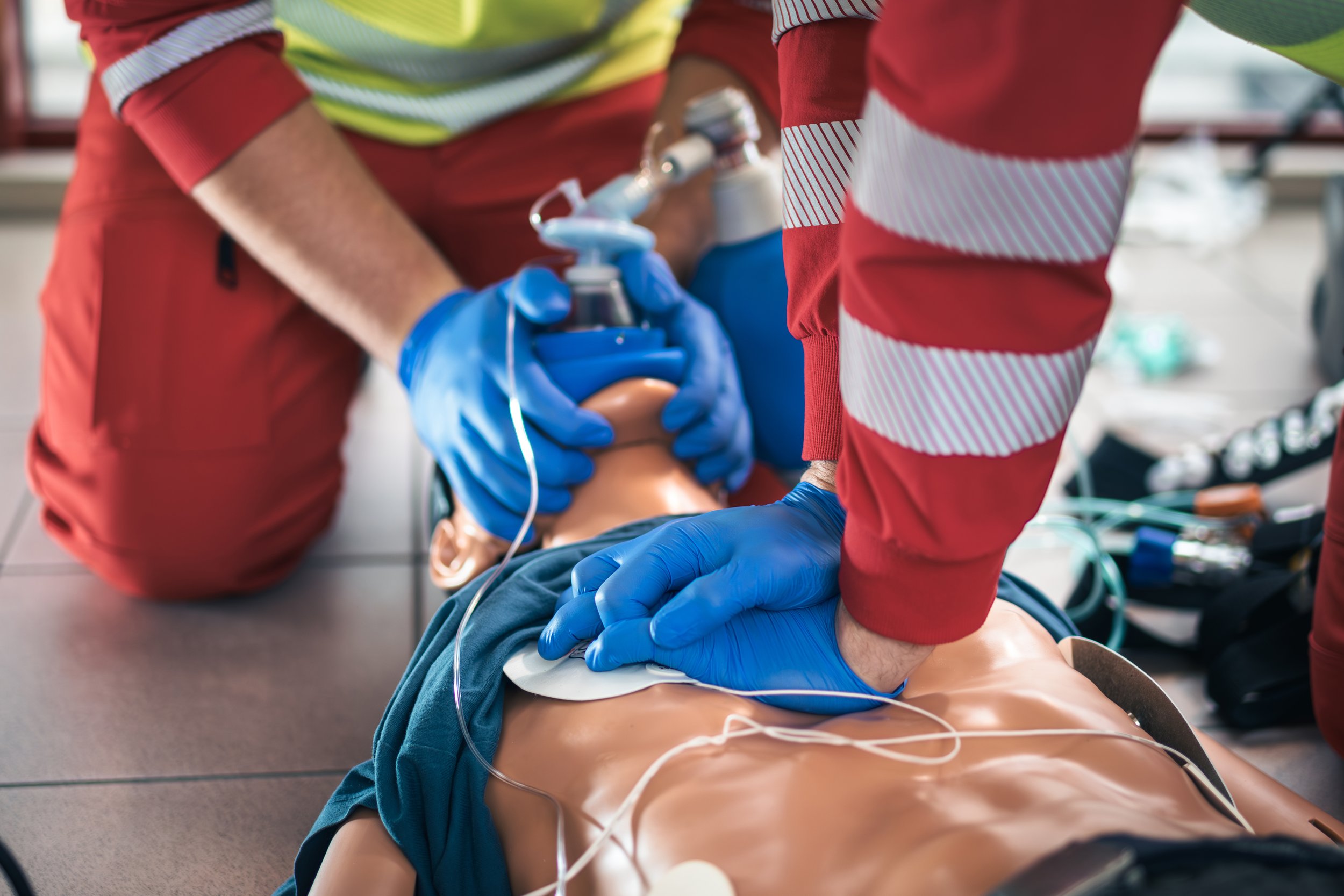
Emergency Medical and Rescue Training
Emergency Medical and Rescue Training (EMRT) offers an innovative blend of
Advanced Life Support, emergency medical and rescue training.
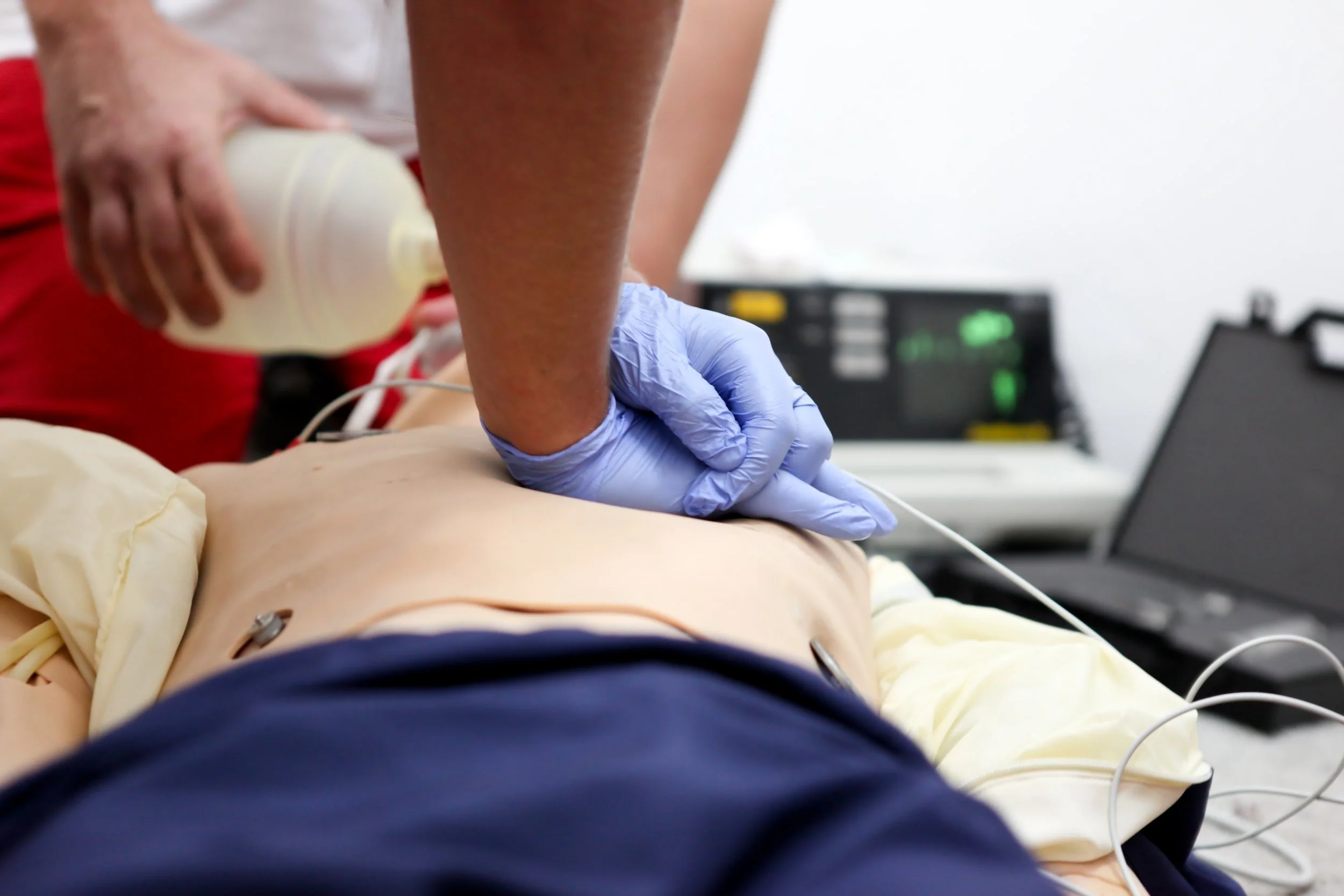
Accredited Advanced Life Support (ALS) & Emergency Training
EMRT is a premium provider of specialised medical training, delivering fully accredited Resuscitation Australia, Advanced Life Support (ALS) courses.
Our targeted curriculum focuses on recognition of the deteriorating patient, comprehensive resuscitation techniques, advanced airway management, cardiac arrest protocols, and critical emergency response management.
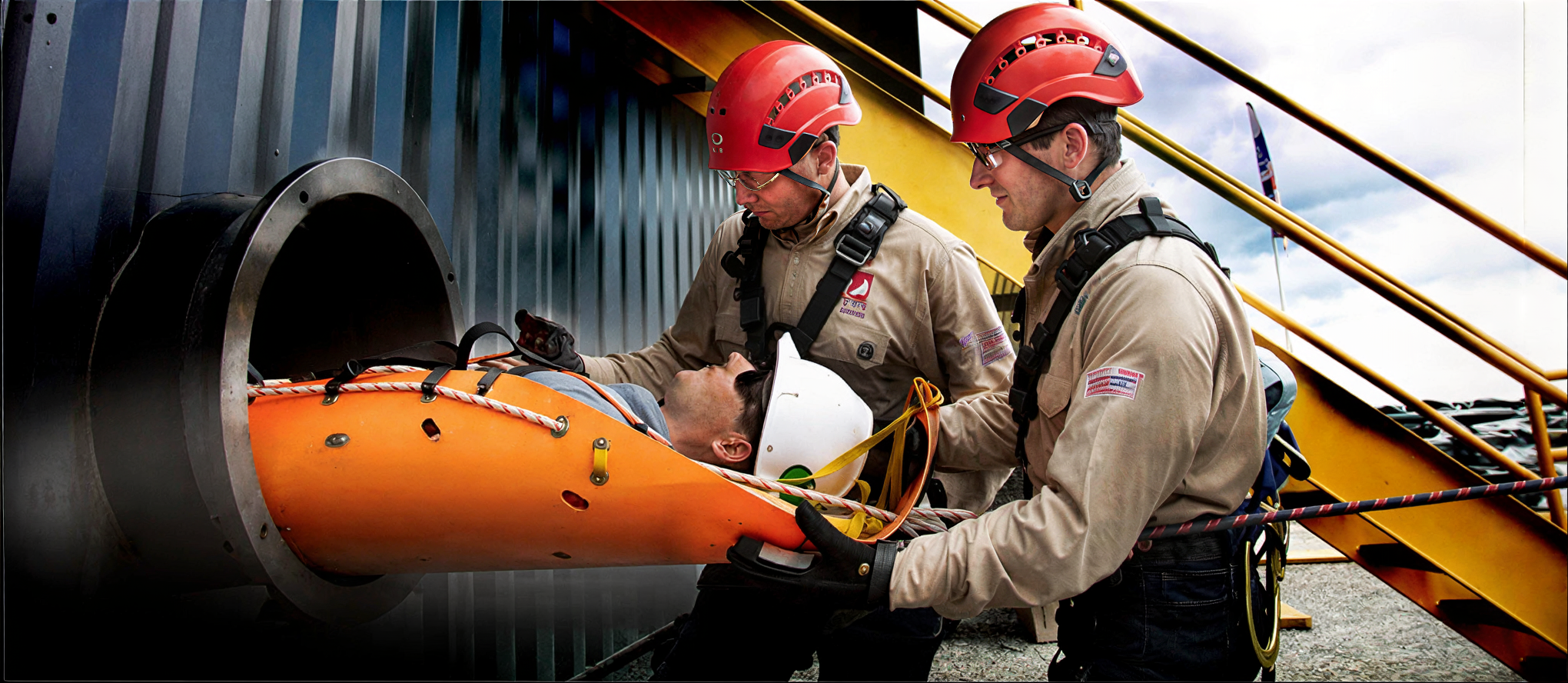
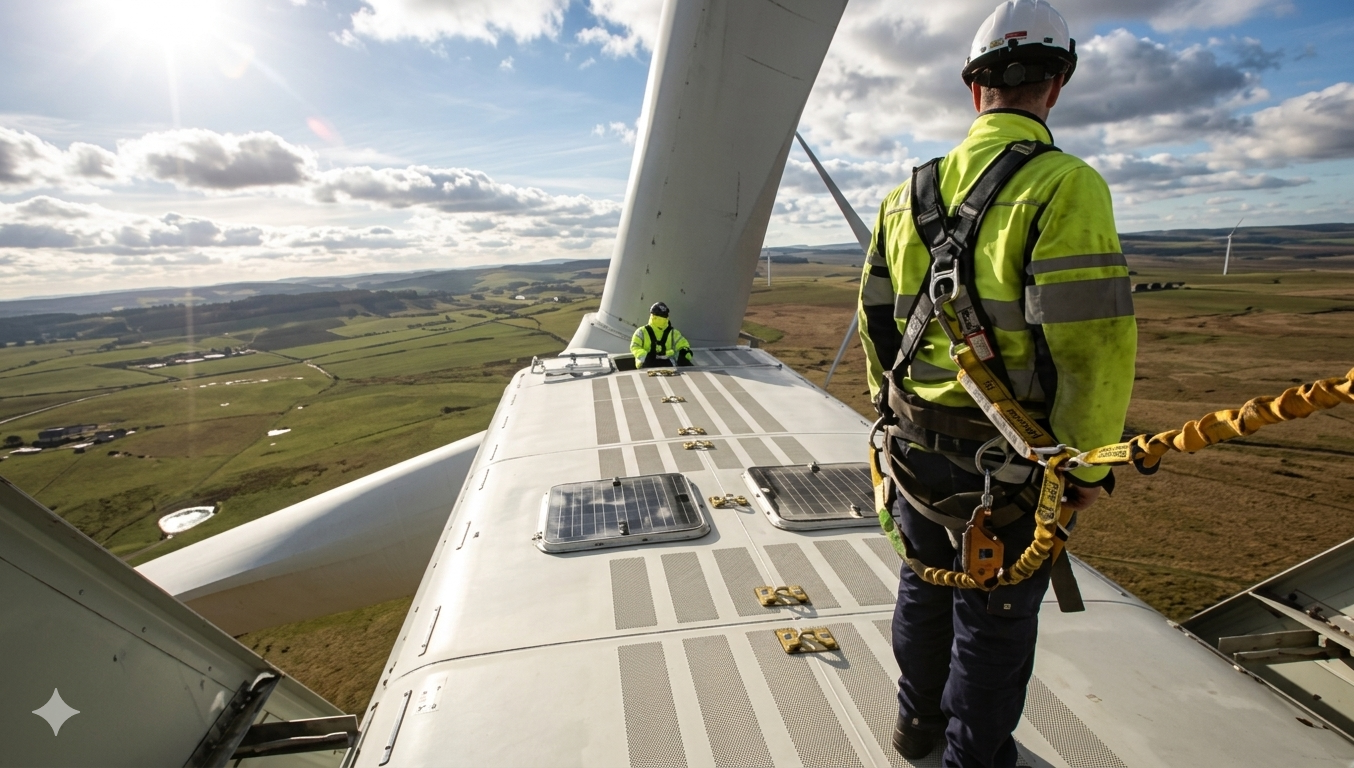
We also offer a broad range of Safety and Rescue courses, primarily to support the renewables industry.
ALS courses near you: Wollongong · Nowra · Batemans Bay · Bega · Cooma · Canberra · Wagga Wagga · Griffith · Orange · Bathurst. See every date on the course calendar.
Course Streams
-
![Nationally Accredited]()
Advanced Life Support
-
![Green Building icon]()
Safety & Rescue
-
![Renwables]()
Renewables

Seamless, supported education designed for busy professionals.
From your first log-in to the moment you graduate, EMRT delivers a streamlined pathway to earning your fully accredited qualifications in Advanced Life Support and Emergency Care.
Frequently Asked Questions
-
Courses are designed for healthcare professionals, including doctors, nurses, paramedics, and other clinical staff who may be required to know and apply Advanced Life Support techniques in their roles.
During your enrollment, you will be asked to provide your AHPRA Registration number. If you don’t have one, or unsure whether ALS is right for you, please contact our office to discuss.
-
Our ALS1 and 2 courses have been developed by experienced healthcare professionals, clinical educators, and learning designers who understand patient care complexities and the importance of immersive experiences for skilled professionals. Blending best practice adult learning and the realities of clinical work, the courses employ a mixed-modeformat that include:
Self-paced online/eLearning modules that cover theoretical foundations. This gives you the flexibility to complete the modules when it suits your schedule, and from a location of your choice.
An in-person/face-to-face practical workshop focused on high-fidelity simulated clinical scenarios that are tailored to your scope of practice. This gives you the opportunity to apply the theoretical knowledge gained in relevant clinical and team- based simulations.
Continuous assessment of ALS knowledge and skills throughout both eLearning and face-to-face training day. This allows you to practice and gain confidence before becoming a certified ALS practitioner.
-
Both ALS1 and ALS2 have two main components;
1 Pre-course eLearning modules and quizzes
2 In person training and assessment
Our eLearning component of the course is comprised of concept-based modules that range from the non-technical skills to essential technical skills, post-resuscitation care, and cultural considerations. Each module is divided into bite-sized micro learning lessons that have been designed to only take a few minutes to complete, so you can readily accommodate this learning into your demanding schedule.
ALS1 - allow about 6 hours for eLearning and to complete the 4 mandatory quizzes.
ALS2 - allow about 8 hours for eLearning and to complete the 5 mandatory quizzes.
Experienced emergency clinicians may simply choose to complete the mandatory quizzes contained within each course’s eLearning component.
The in-person training prioritises active and peer/collaborative learning through small-group rotations (maximum of 6 participants per group), practical stations, and scenario-based teamwork. The group- based activities encourage sharing of experiences and strategies, allowing you to learn from the diverse perspectives of your peers; a crucial skill in multidisciplinary healthcare teams.
You will complete workshops that focus on airway and breathing skills, the ABCDE approach, cardiopulmonary resuscitation (CPR), and defibrillation before partaking in cardiac arrest scenarios. Our instructors tailor these scenarios to your clinical context and encourage on-the-spot critical thinking to make them as relevant and applicable as possible. Instructors are there to provide continuous feedback, guiding you through the simulations to build confidence and critical ALS skills.
ALS1 - 4 hours in person training and assessment
ALS2 - 8 hours of in person training and assessment
-
On EMRT, Resuscitation Australia courses, we empower healthcare professionals with the skills and capabilities necessary to deliver advanced life support in critical situations. Our Advanced Life Support courses (ALS1 & ALS2) are facilitated by Resuscitation Australia Accredited Instructors and will equip you with the expertise needed to confidently handle emergencies and improve patient outcomes.
Because all theoretical instruction is delivered within the eLearning modules, the face -to-face training day iswholly practical in nature. This is a great opportunity to immediately connect with your peers and immerseyourself in high-fidelity simulated clinical scenarios.
The design of our courses is intended so that you have more ‘hands on’ practice with plenty of opportunities to demonstrate your comprehension to the instructor/s facilitating the course.
The following is extracted from Resuscitation Australia's ANZCOR Guideline 10.2 - Advanced Life SupportTraining Compliance Statement and provides a detailed overview of RA's approach to the face-to-face trainingdays:
“Resuscitation Australia's approach to ALS training ensures participants meet ANZCOR's skills requirementsoutlined in Section 1.6 of the Guideline, through comprehensive and structured face-to-face training.
(a) Both ALS1 and ALS2 courses include high fidelity simulated training scenarios. Participants in ALS1 complete six simulated scenarios, while ALS2 participants complete twelve. These scenarios replicate real-world conditions to enhance skill application, and are tailored to a participant's role, scope and context of practice.
2 Please note that all simulated training scenarios are selected by Resuscitation Australia -accredited Instructors to ensure suitability for participants, ta king into account their role, scope and context of practice. The library of scenarios is ‘liv ing’ and continues to evolve as Accredited Course Centres (e.g. hospitals and health service organisations) and Instructors contribute scenarios that accurately reflect their clinical realities. For example, different scenarios would be presented to a General Practitioner more li kely to attend to a patient within a suburban practice setting compared to an Anaesthetist in a perioperative hospita I setting. Furthercustomisation is offered by way of tailoring scenarios to meet the requirements of
(b) Training emphasises consistent practice and detailed feedback until participants meetpredefinedcompetencelevels for specific skills and tasks. Directed feedback during skills stations ensures performance improvement until mastery is achieved. ResuscitationAustralia's continuous, formativeassessment approach is consistent withANZCOR's recommendation that “assessment for learning should occur throughout the course, to inform instructorfeedback and coaching" (Section 1.9). Due to the rigorous nature of assessment throughout Resuscitation Australia's ALS courses, there is no summative assessment at the end of the ALS training, noting participants are required to complete assessments throughout both the eLearning and face-to-face components of the course.
(c) Specific skills are practiced in focused sessions:
• Airway and Breathing Skills Station: Participants master techniques in airway management and ventilation. ALS1 course participants spend 50 minutes on this Skills Station, while ALS2 course participants spend 60 minutes on this Skills Station.
• ABCDE Workshop: Focuses on structured patient assessment and management. New ALS learners havethe option of completing the ‘Deep Dive into the ABCDE Approach in the eLearning(Module 4) while experienced ALS practitioners may opt not to complete this, based on their self-assessed proficiency. Nevertheless, both ALS1 and ALS2 course participants spend 60 minutes in the ABCDE Workshop during their face-to-face training.
• CPR and Defibrillation Skills Station: Participants practice high-quality chest compressions and effectivedefibrillation techniques. ALS1 course participants spend 50 minutes on this Skills Station while ALS2 courseparticipants spend 60 minutes.
(d) Skills practiced individually are integrated into complex team -based resuscitation scenarios, ensuring participants can apply knowledge holistically and practically demonstrate they can confidently apply their acquired ALS skills.
(e) Training scenarios highlight the importance of teamwork, leadership, communication, human factors andsituational awareness. The ALS2 course has an additional focus on team leadership, ensuring participants are well prepared to effectively lead resuscitation efforts in cardiac arrest situations, including the appropriate allocation of resources to this end. This practical component of team collaboration and leadership training builds upon the foundational theoretical concepts introduced in Module2 of the eLearning across both ALS1 and ALS2 courses: Role of Non-Technical Skills in ALS.
(f) Participants working in low resource settings (e.g. solo nurse practitioners with the Royal Flying Doctor Service) or remote locations(e.g. paramedics as first responders in a mining site). Participants in Resuscitation Australia's Instructor Accreditation Program (IAP) receive training in respect of how to effectively tailor scenarios to individual ALS course participants.
(g) Resuscitation Australia's face-to-face training days provides further opportunities for participants to demonstrate their understanding of crucial concepts, including how to recognise and respond to acute deterioration, when toinitiate resuscitation and how to use cognitive aids and equipment in an ALS context. Overarching this is the participant's ability to demonstrate competency in prioritisation and sequencing; scenarios are designed to trainparticipants in prioritising interventions and ensuring the appropriate sequence of actions during resuscitation.”
-
Our ALS courses complies with Australian and New Zealand Committee on Resuscitation (ANZCOR) Guidelines and National
Safety and Quality Health Service (NSQHS) Standards.
For RA-accredited courses, CPD hours can be claimed for both the eLearning component and the face-to-face training day. Refer to Resuscitation Australia's CPD Program Information Sheets for college-specific guidance
https://resuscitationaustralia.com.au/health-professionals/continuing-professional-development/
-
Your eLearning component can be completed online from anywhere you chose. Your will be enrolled in a specific in person session by your Course Centre. These are available at a variety of times and places - please see our Calendar.
-
The Advanced Life Support – Level 1 (ALS1 ) course is designed to equip healthcare professionals (nurses, doctors, specialists, paramedics) with the essential theoretical knowledge and practical skills needed to effectively recognise, assess, and manage critically ill patients and work as an effective team member in cardiac arrest situations.
The Advanced Life Support – Level 2 (ALS2 ) course is designed to equip healthcare professionals (nurses, doctors, specialists, paramedics) with the essential theoretical knowledge and practical skills needed to effectively recognise, assess, lead and manage critically ill patients and cardiac arrest situations until advanced support arrives.
The main difference - the ALS1 course supports participants to work as a team MEMBER whereas the ALS2 course supports participants to act as the TEAM LEADER when treating critically unwell or cardiac arrest patients.
-
Yes, the eLearning quizzes are mandatory to complete prior to your in person attendance.
There are 4 quizzes for ALS1.
There are 5 quizzes for ALS2 and ALS2 Recertification.
We understand that our participants often lead busy lives; however, completion of the eLearning is a mandatory requirement prior to attending the face-to-face training. This ensures all participants are well-prepared and have the foundational knowledge needed for the hands-on, team-based, scenario-based components of the course.
Participants who have not completed the eLearning will not be permitted to attend the face-to-face training. This policy ensures the integrity of the course, maintains high training standards, and complies with EMRTs Participant Code of Conduct.
If you are experiencing challenges completing the eLearning before your scheduled face-to-face course day, we strongly encourage you to contact EMRT as early as possible to discuss rescheduling or transfer options.
EMRT is not able to accommodate any exceptions to the mandatory eLearning completion requirement and will not issue ALS credentials to any participant who has not completed the eLearning prior to their face-to-face training time (based on completion time electronically recorded in our system).
-
Your ALS qualification is valid for four years after the successful completion of your course. ALS2 practitioners (whether issued by RA or ARC) may wish to complete a condensed Recertification Course prior to the four years lapsing.
-
All our learning material is online. It is reviewed each month and updated as required. You will continue to have access to this resource for the four year duration of you ALS qualification, ebsuring you always have access to contemporary clinical reference material.
-
If you have a group of 5-6 participants, please contact us to host a ALS1 or ALS2 course at a time and location of your choosing.
Info@emrt.com.au
-
CANCELLATION POLICY
Emergency Medical and Rescue Training (EMRT) is committed to providing high quality and reliable training services in a timely manner. To help support this, we have established a cancellation policy that outlines the process for requesting a cancellation and the applicable fees.
Due to accreditation requirements and pre-committed costs (staff, travel, venue bookings), course places cannot be resold once the cancellation periods have passed. This policy reflects the real costs incurred by the business. By booking, participants acknowledge that course costs are committed upon booking and that EMRT incurs non-recoverable expenses regardless of attendance.
This policy ensures fairness to our business and clients who may otherwise have wanted a course or course place.
2. Course Content and Program Schedule
EMRT reserves the right to:
· Alter the advertised schedule of courses, including cancellation, without prior notice due to circumstances beyond our control or to maintain a high-quality service.
· Change the venue from what was initially advertised.
· Postpone courses due to natural disasters, public unrest, pandemics (including COVID-19), or other significant events outside our control.
EMRT will not be liable for any losses or expenses arising from such alterations, including consequential losses. All courses require a minimum number of participants. EMRT reserves the right to cancel any course if the minimum number is not reached. In such cases, individuals with confirmed bookings will be offered alternative dates or a full refund.
While EMRT may cancel courses due to circumstances beyond our control, participant cancellations for any reason remain subject to standard fees..
3. Course Transfer Policy
Transfers Between Same Course Types: A confirmed booking may be transferred to another EMRT course of the same type (e.g., ALS1 to ALS1), subject to availability, up to 14 days before the original course date. No further transfers are permitted if the new course occurs within the next 28 days.
No Transfers Within 14 Days: Transfers are not permitted within 14 days of the course start date.
Special Case Transfer Requests: Substituting a suitable participant is possible at no additional cost within 14 days before the course commencement, provided the substitute has access to the required materials and completes pre-course study and quizzes. Requests must be emailed to info@emrt.com.au
4. Cancellation Fees·
Within 14 Days: 50% of the course fee plus the cost of any educational materials already provided (see section 6).
Within 5 Days: 100% of the course fee.
Absence at the commencement of the course is considered a cancellation and will incur a 100% cancellation fee.
5. Blended Courses and eLearning Completion
For blended courses, all participants must complete the required eLearning quizzes prior to attending the face-to-face component of the course. Failure to complete the eLearning quizzes will result in denial of entry to the course, and will be considered a cancellation without notice, incurring a 100% cancellation fee as outlined in Section 4.
6. Illness Policy
Cancellations due to COVID-19, communicable diseases, other illnesses, or personal circumstances will be subject to the standard cancellation fees as outlined in Section 5. EMRT cannot be responsible for personal health issues, and cancellations for these reasons will incur the applicable fees. We cannot make exceptions for illness, COVID-19, travel delays or personal emergencies.
7. Cancellation Within 14 Days with Replacement
If a cancellation is made within 14 days of the course, and a suitable replacement candidate is provided, EMRT may allow the booking to be transferred.
Replacement candidates must meet all course prerequisites and complete required pre-course study.
EMRT is not obliged to ensure suitable alternatives are available.
8. Attendance and Late Arrivals
Full Attendance Required: Participants must attend all sessions in full.
Late Arrivals: Late arrivals will not be admitted, and this will be considered a cancellation without notice, incurring a 100% cancellation fee.
Travel Arrangements: EMRT is not responsible for travel disruptions or delays that result in non-attendance.
9. Travel-Related Issues and Loss of Fees
EMRT is not liable for cancellations or postponements of travel arrangements. Participants are strongly advised to consider travelinsurance and personal circumstances before booking to cover such contingencies.
10. Refund Policy
Refunds will be processed according to this cancellation policy. Refunds will be issued within 10 business days of approved request and will be processed minus applicable fees.
11. Communication and Behaviour
EMRT reserves the right to cancel course attendance in cases of harassment, bullying, or inappropriate behaviour, following the process described in Section 4. All participants are expected to adhere to professional standards of conduct.
12. Agreement
By booking a course with EMRT, participants acknowledge that course costs are committed upon booking, and that EMRT incurs non-recoverable expenses regardless of attendance. By booking you acknowledge that you have read, understood, and agree to this Cancellation Policy. You accept that cancelling a course without providing the required notice, failing to attend as scheduled, or not completing required pre-course eLearning quizzes will result in applicable cancellation fees.
Important Notes
-Nothwithstanding the above, EMRT does recognise that acute situations of personal distress can occur.
- Compliance with Australian Legal Requirements: This policy is designed to comply with Australian consumer law,including the Competition and Consumer Act 2010 (Cth) and relevant state legislation. For specific legal advice, we recommend consulting a legal professional.
- Force Majeure: EMRT is not liable for any failure to perform its obligations where such failure is due to circumstances beyond our reasonable control.
-
If you are a Medical, Paramedical, Nursing of Dental studnet who needs to have ALS1 accrediation for clinical placments, we are happy to offer a 10% discount for your ALS1 course. Please contact our office to have this discount applied
info@emrt.com.au

High-Quality Training
Tailored expertise, beyond the basics. Our medical and rescue educators can help you build the skills, knowledge and confidence to bring your training to reality.

Nationally Accredited
We are an accredited Resuscitation Australia Advanced Life Support Course Centre

Highly Trained Educators
Our clinical professionals bring decades of frontline experience from clinical, renewables and high risk environments directly into the classroom.

Instant Course Booking
Professional training, scheduled in moments.
Our Director, David Tassicker, has decades of experience as an Intensive Care Paramedic and in safety and rescue in the swift water, vertical, fire fighting and commercial wind turbine environments.
From this experience, David believes there are significant opportunities for improvement in both rescue and medical support, education and capacity. EMRT seeks to fill these opportunities. to take rescue staff who may only have first aid training and equip them with more advanced knowledge and skills to support badly injured or ill patients who may be trapped or in situations of difficult access.
Our highly experienced clinical staff impart their tricks of the trade – assessing and treating medical and trauma patients and imparting advanced airways skills and supported ventilation of appropriate patients.
For experienced clinical practitioners, our rescue experts support your ability to provide ongoing, advanced clinical care such as airway maintenance, ongoing medication and fluid therapy while extricating patients in difficult situations – vertical, confined spaces, austere and remote environments.